
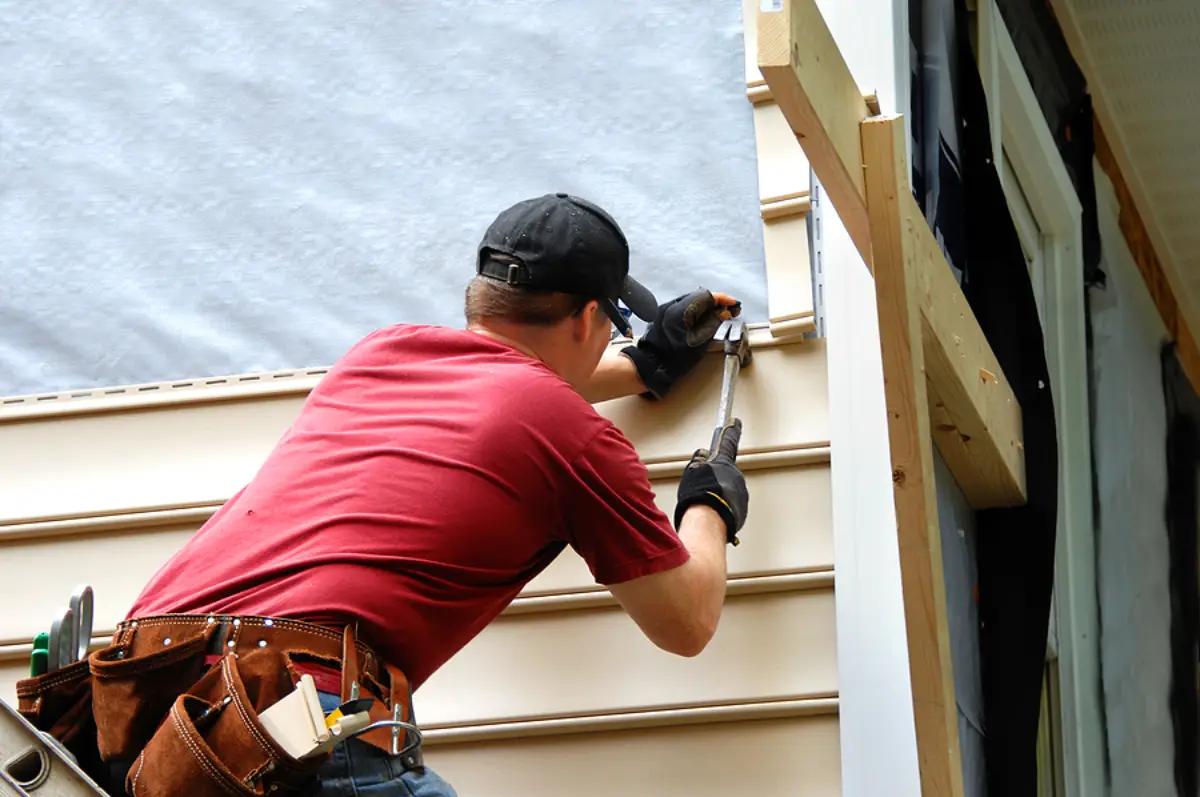
Property improvements often look their best during the first few months after installation. Fresh finishes, upgraded materials, and modern design choices can make a rental home feel more competitive in the market. However, rental properties experience a different level of wear than owner-occupied homes, and some upgrades begin showing their weaknesses much sooner than owners expect.
Owners who follow modern rental living trends are increasingly evaluating renovations through a long-term lens rather than focusing only on visual appeal. The reality is that repeated tenant turnover, routine maintenance, furniture movement, and everyday use can gradually reduce the effectiveness of certain high-cost improvements.
Before investing heavily in premium finishes or custom features, it's important to understand which renovations tend to hold up well and which ones often become costly maintenance burdens. Taking a practical approach to renovation planning can help El Paso rental owners protect returns while reducing future repair and replacement expenses.
Key Takeaways
- Some premium renovations deteriorate faster than expected in rental environments.
- Repeated tenant turnover can shorten the lifespan of high-end finishes.
- Durable materials often reduce long-term maintenance costs.
- Practical improvements typically remain useful longer than trend-focused upgrades.
- Renovation choices should balance appearance, functionality, and longevity.
Why Rental Properties Age Differently Than Owner-Occupied Homes
A rental property experiences a unique type of wear. Every move-in, move-out, furniture rearrangement, and maintenance visit places additional stress on materials throughout the home.
The U.S. Census Bureau reported a rental vacancy rate of 7.1% in Q3 2025, demonstrating that rental demand remains strong across many markets. Higher occupancy levels often mean less downtime between tenants and more consistent use of flooring, cabinets, fixtures, and appliances.
As a result, some expensive renovations begin showing signs of decline much sooner than owners originally expected.
Hardwood Flooring Often Loses Its Appeal Faster Than Expected
Hardwood flooring continues to be viewed as a premium feature, but rental conditions can be tough on natural wood surfaces.
Heavy foot traffic, pet activity, moving furniture, and accidental impacts frequently create dents and scratches. Over time, refinishing becomes necessary to restore appearance, adding both cost and downtime.
Why Many Owners Choose More Durable Alternatives
Several modern flooring options offer advantages that make them attractive for rental housing.
- Better scratch resistance
- Easier maintenance
- Improved moisture protection
- Lower replacement expenses
Owners evaluating remote-work rental preferences often discover that practicality plays a major role in maintaining property performance over time.
Premium Carpet Can Become a Short-Term Investment
High-end carpeting may provide comfort and visual appeal, but it often struggles to maintain its condition through multiple lease cycles.
Even with regular cleaning, carpets can absorb odors, collect stains, and develop visible wear patterns. High-traffic areas frequently require replacement much sooner than landlords anticipate.
The Challenge of Frequent Turnovers
Rental turnover accelerates carpet deterioration because:
Furniture Creates Pressure Marks
Heavy furniture can leave permanent impressions over time.
Cleaning Has Limits
Professional cleaning helps but cannot always restore heavily used carpet.
Stains Accumulate
Repeated occupancy increases the likelihood of damage that requires replacement.
Many investors review a free rental assessment before making flooring decisions to better understand long-term operating costs.
Custom Cabinets Can Create Unexpected Maintenance Expenses
Custom cabinetry often looks impressive when first installed. However, maintaining that appearance through years of tenant occupancy can be challenging.
Cabinet corners, drawer fronts, and painted surfaces experience constant use. Chips, scratches, and fading gradually become more noticeable.
Standardized Finishes Usually Offer Greater Flexibility
Property owners often benefit from simpler cabinet styles because they:
Simplify Repairs
Matching standard finishes is easier than sourcing discontinued custom products.
Appeal to More Renters
Neutral designs remain relevant longer.
Reduce Future Costs
Replacement components are generally more accessible and affordable.
Long-term rental performance often depends on selecting materials that can be maintained efficiently rather than those that simply create a luxury appearance.
Decorative Fixtures Often Increase Repair Complexity
Specialty lighting, custom hardware, and designer fixtures can elevate a property's visual appeal. Unfortunately, they may also create future maintenance complications.
According to the U.S. Energy Information Administration, residential lighting accounts for approximately 3.4% of electricity use in U.S. homes. Because fixtures receive daily use, wear is inevitable.
When decorative products become discontinued, replacing individual components can be difficult and expensive.
Common Challenges With Specialty Fixtures
Property owners regularly encounter:
- Hard-to-find replacement parts
- Longer repair timelines
- Higher labor costs
- Product compatibility issues
Standardized fixtures often simplify maintenance while still creating an attractive appearance.
Trend-Focused Kitchens Rarely Stay Trendy Forever
Kitchen renovations frequently represent one of the largest expenses in a rental property. Unfortunately, some design choices become dated surprisingly quickly.
Bold cabinet colors, highly stylized backsplashes, and unique countertop materials may feel current today but can lose appeal within a few years.
Timeless Design Usually Lasts Longer
Many successful rental kitchens emphasize:
Neutral Colors
Simple color schemes appeal to a broader audience.
Functional Layouts
Practical designs improve daily usability.
Durable Materials
Resilient surfaces often require fewer repairs.
Property owners interested in pet-friendly leasing strategies frequently discover that durable kitchen finishes also help manage wear from active households.
Built-In Features Can Reduce Future Flexibility
Custom built-ins may seem like an attractive addition, but they can limit how future tenants use the space.
Permanent shelving systems, integrated desks, and highly specialized storage solutions often work well for one renter but not necessarily the next.
Adaptability Creates Long-Term Value
Flexible spaces generally offer several advantages.
- More furniture arrangement options
- Broader tenant appeal
- Easier future renovations
- Lower modification costs
Properties that accommodate a variety of lifestyles often remain competitive longer.
Luxury Bathrooms Can Become High-Maintenance Areas
Bathrooms receive constant daily use, making durability especially important.
Premium shower systems, frameless glass enclosures, and specialty fixtures may require more upkeep than standard alternatives. Water exposure, mineral buildup, and regular cleaning gradually affect appearance and functionality.
Owners who prioritize rental maintenance planning often focus on products that simplify cleaning and reduce repair frequency.
Bathroom Features That Tend to Perform Better
Easy-to-Clean Surfaces
Simple materials reduce turnover preparation time.
Standard Fixtures
Common replacement parts are easier to source.
Moisture-Resistant Materials
Products designed for wet environments generally last longer.
Many landlords also review available owner support resources when planning future renovation projects and maintenance strategies.
FAQs about Rental Renovations in El Paso, TX
What warning signs suggest a renovation may require frequent upkeep in a rental property?
Upgrades that rely on specialty materials, custom finishes, or difficult-to-source replacement parts often create ongoing maintenance challenges. If repairs require unique products or specialized labor, long-term costs can rise significantly over multiple tenant cycles.
How can turnover frequency influence renovation decisions for rental housing?
Properties with higher turnover rates generally experience more wear from moving activity, cleaning, and repeated occupancy. Owners often benefit from selecting materials that can withstand frequent transitions without requiring extensive repairs or replacement.
Should landlords prioritize replacement costs when comparing renovation materials?
Yes. Initial installation expenses are only part of the equation. Evaluating how easily a material can be repaired or replaced helps owners better estimate future operating costs and avoid expensive surprises later.
Can highly customized interior features affect future leasing flexibility?
Custom design elements may appeal to certain renters while limiting appeal to others. Features with broad functionality typically make it easier to market the property to a wider pool of prospective tenants over time.
Why is product availability important when choosing renovation materials?
Materials that remain widely available simplify future maintenance and repairs. When products are discontinued, owners may face longer repair timelines, inconsistent replacements, or larger renovation projects to maintain a cohesive appearance.
Where Smarter Renovation Decisions Pay Off
Every tenant leaves a mark on a property, which is why renovation choices should be measured by how they perform after years of occupancy rather than how they look immediately after installation. Selecting upgrades that are easier to maintain, repair, and replace can help create a more stable and predictable ownership experience.
PMI El Paso works with rental owners throughout the area to identify practical solutions that support stronger property performance over time. If your goal is to reduce recurring repair issues and make future turnovers easier to manage, elevate your property care plan with PMI El Paso.